
10 Chaotic Movie Productions That Became Documentaries
Last Updated on April 4, 2026 by Bella
Some of the most chaotic movie productions in history were so intense they ended up getting their own documentaries.
Because of this chaos, some movie productions become legendary. In a few cases, the drama behind the camera becomes just as fascinating as the film itself. Certain productions were so difficult that filmmakers later created documentaries just to tell the story of what really happened during filming.
From jungle disasters to studio battles and projects that never even reached theaters, these documentaries reveal the unbelievable reality of filmmaking. Here are ten movie productions so chaotic that they ended up getting their own behind-the-scenes documentaries.
The Abyss and Under Pressure: The Making of The Abyss
Few productions are as physically demanding as the one behind The Abyss. Director James Cameron pushed the cast and crew to extreme limits while filming complicated underwater scenes. Much of the movie was shot inside massive water tanks, which meant actors had to stay submerged for long periods while performing intense scenes.
The production quickly became exhausting and dangerous. Actors spent hours in wetsuits, underwater cameras constantly malfunctioned, and safety concerns frequently delayed filming.
Even Cameron later admitted how brutal the experience was. “I don’t ever want to go through this again.”
Actor Ed Harris remembered how draining the shoot became. He once drove home from the set and broke down in tears. One of the most infamous moments involved Mary Elizabeth Mastrantonio during a resuscitation scene. After lying on the floor while being slapped and having her chest pounded, the camera suddenly ran out of film. Furious, she stormed off the set shouting, “We are not animals!”
The documentary Under Pressure: The Making of The Abyss captures these intense moments and shows just how difficult the production truly was.
Alien 3 and Wreckage and Rage
David Fincher’s Alien 3 is famous for its troubled production. The film faced constant script changes and heavy studio interference. Fincher, who was directing his first feature film, often found himself battling executives over creative decisions.
The documentary Wreckage and Rage: Making Alien 3 explores this chaotic production in detail. Early versions of the documentary left out some of the most explosive moments. Those scenes were removed because the studio did not want viewers to see how tense things became behind the scenes.
Later releases restored some of that footage. One memorable moment shows Fincher becoming so frustrated with studio pressure that he stabs his desk with a knife. The documentary reveals just how difficult it can be for a filmmaker trying to maintain control of a major studio project.
Apocalypse Now and Hearts of Darkness
Few films represent production chaos better than Apocalypse Now. Director Francis Ford Coppola faced nearly every disaster imaginable while filming in the Philippines.
The production lasted far longer than planned, and costs kept rising. A massive typhoon destroyed expensive sets and forced the crew to rebuild. Actors left the production and had to be replaced. Meanwhile, Martin Sheen suffered a near-fatal heart attack during filming.
The problems did not stop there. Marlon Brando arrived on set significantly overweight and unfamiliar with his lines, forcing Coppola to rewrite scenes on the spot.
All of this chaos is documented in the legendary behind-the-scenes film Hearts of Darkness: A Filmmaker’s Apocalypse. The documentary captures the emotional toll the production took on everyone involved and shows how close the film came to collapsing completely.
The Boondock Saints and Overnight
The documentary Overnight tells a very different kind of production story. Instead of focusing on technical disasters, it explores the rise and fall of writer and director Troy Duffy during the making of The Boondock Saints.
Duffy suddenly became a Hollywood sensation when his script sold, and powerful producers showed interest. Harvey Weinstein backed the project, and Duffy was quickly surrounded by money, attention, and opportunity.
Unfortunately, success changed him quickly. The documentary shows him insulting actors, arguing with producers, and pushing away the very people trying to help him. His behavior eventually destroyed many of his professional relationships and damaged his career.
The film is a fascinating portrait of how sudden fame can derail a promising filmmaker.
Dune and Jodorowsky’s Dune
Some productions become famous even though the movie itself never gets made. Alejandro Jodorowsky’s planned adaptation of Dune is one of the greatest examples.
Jodorowsky envisioned a massive science fiction epic unlike anything audiences had ever seen. His team included legendary artists like H. R. Giger and Moebius. The soundtrack would have been created by Pink Floyd.
The planned cast was just as impressive. Orson Welles, Mick Jagger, Gloria Swanson, and Salvador Dalí were all attached to the project.
However, the director’s massive fourteen-hour script and enormous budget scared away investors. Eventually, the project collapsed, and the rights moved on to other filmmakers.
The documentary Jodorowsky’s Dune explores what could have been one of the most ambitious science fiction films ever attempted.
The Emperor’s New Groove and The Sweatbox
Disney’s animated comedy The Emperor’s New Groove started as a completely different movie. The original project was a musical called Kingdom of the Sun.
Musician Sting was hired to write songs for the film. As part of the deal, his wife Trudie Styler was allowed to film a documentary about the production.
What she captured was a production slowly falling apart. Executives scrapped the original story, removed most of Sting’s songs, and rebuilt the entire movie from scratch.
The resulting documentary, The Sweatbox, shows writers, animators, and producers struggling through endless creative changes. The film has never been widely released, which is understandable because it reveals how chaotic the production became.
The Fantastic Four and Doomed! The Untold Story of Roger Corman’s The Fantastic Four
In the early 1990s, a low-budget version of The Fantastic Four was produced under unusual circumstances. The movie was reportedly created mainly so a studio could maintain the film rights to the Marvel characters.
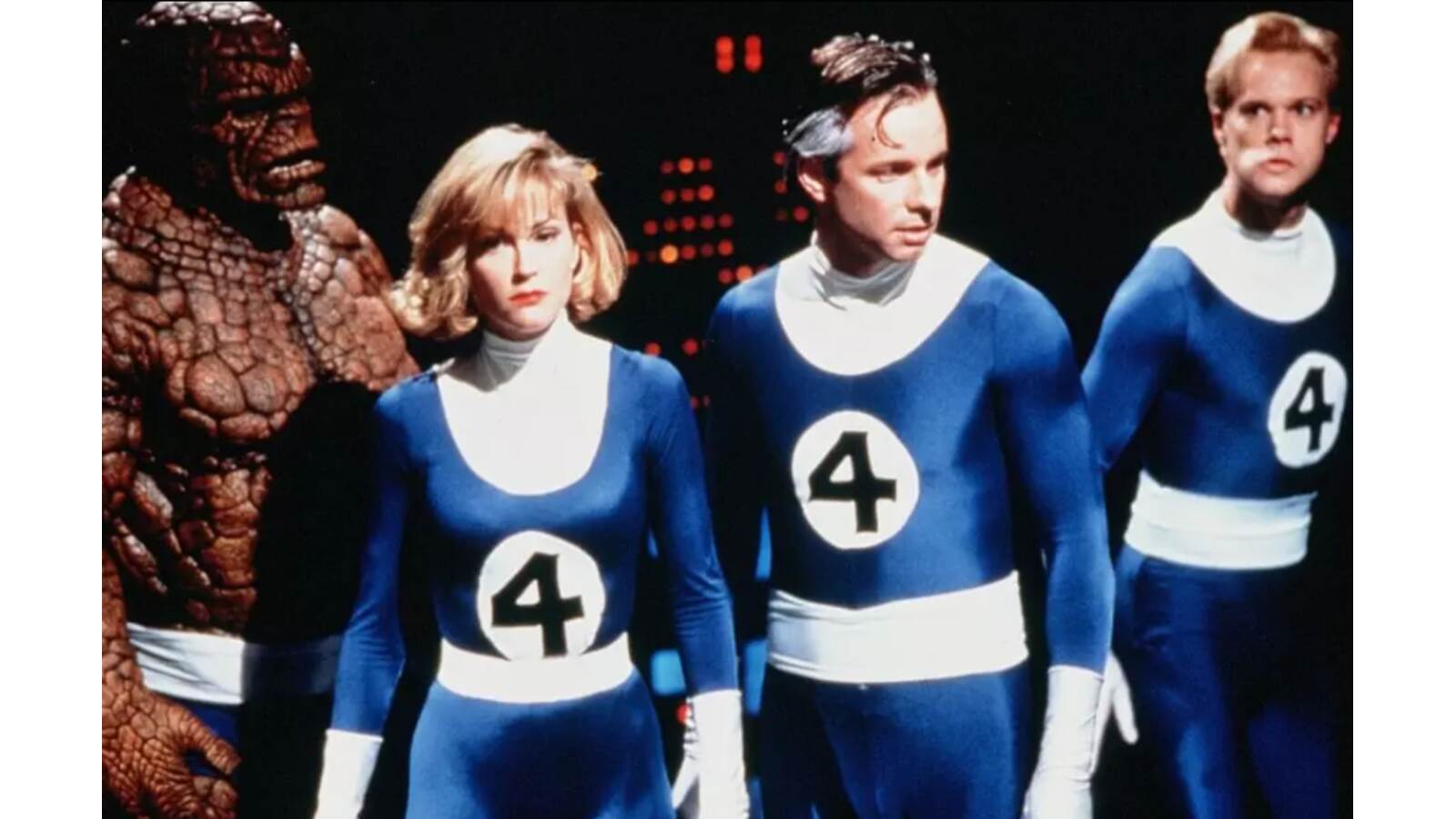
The cast and crew believed they were making a real theatrical release. In reality, the project was never intended to reach audiences.
The documentary Doomed! The Untold Story of Roger Corman’s The Fantastic Four explores this strange situation. Through interviews with the actors and crew, it reveals what it felt like to work on a movie that was essentially made just to exist on paper.
Fitzcarraldo and Burden of Dreams
Werner Herzog’s film Fitzcarraldo tells the story of a man determined to move a massive ship over a mountain in the Amazon jungle.
Herzog decided to film this idea in the most realistic way possible. Instead of using special effects, he actually had his crew move a giant boat over a hill in the middle of the jungle.
The documentary Burden of Dreams captures the incredible difficulty of this decision. Harsh weather, dangerous conditions, and constant setbacks made the production feel nearly impossible.
Even the documentary crew struggled with the experience. Director Les Blank wrote in his journal, “I’m tired of it all, and I couldn’t care less if they move the stupid ship or finish the f—ing film.”
The Man Who Killed Don Quixote and Lost in La Mancha
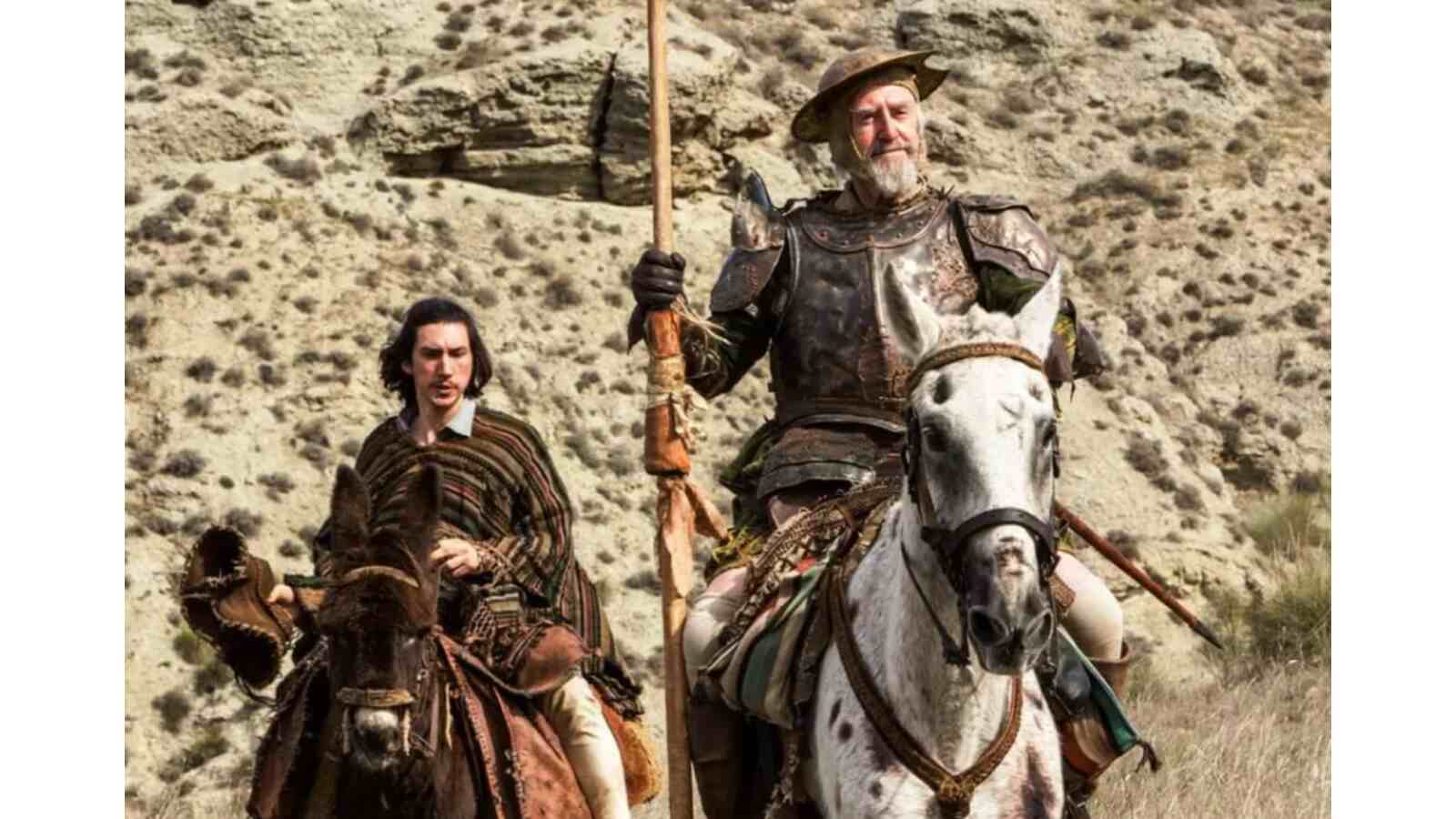
Director Terry Gilliam spent decades trying to bring The Man Who Killed Don Quixote to life. His first attempt collapsed spectacularly.
Floods destroyed sets, equipment was damaged, and one of the main actors suffered a serious injury. The entire production shut down before the film could be completed.
A documentary crew had been filming the process from the beginning. Their footage eventually became Lost in La Mancha, which documents the collapse of Gilliam’s ambitious project.
Years later, Gilliam finally completed the movie with a new cast and released it in 2018, but the original failed production remains legendary.
Star Wars Episode I: The Beginning
Even one of the biggest franchises in movie history experienced production anxiety. The documentary The Beginning: Making Star Wars Episode I follows the creation of The Phantom Menace.
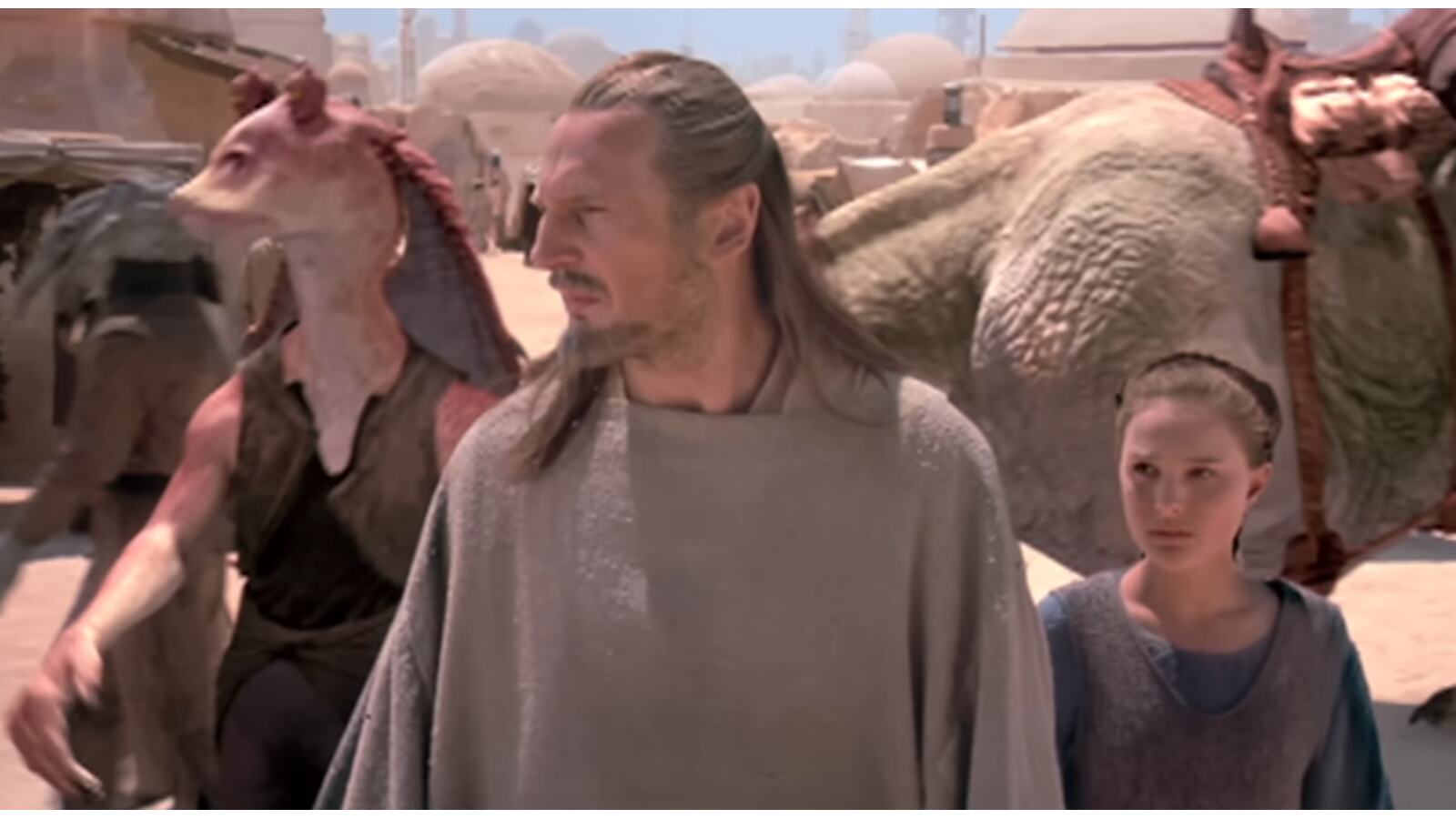
One early scene shows George Lucas presenting storyboards to his team. He marks which shots will require computer-generated effects. As more and more scenes are highlighted for CGI, the people in the room begin to look increasingly nervous.
The documentary captures the moment when the crew realizes how massive the project will become. It is an honest look at the challenges of bringing such an ambitious vision to life.
TL;DR
- Movie productions often face serious problems such as budget overruns, script rewrites, dangerous conditions, and studio interference.
- Some film productions were so chaotic that filmmakers created documentaries just to capture what happened behind the scenes.
- The Abyss had extremely demanding underwater filming conditions, leaving the cast and crew physically and emotionally exhausted.
- Alien 3 suffered from heavy studio interference, which frustrated director David Fincher throughout production.
- Apocalypse Now experienced major disasters, including typhoons, actor replacements, and Martin Sheen’s near-fatal heart attack.
- The documentary Overnight shows how the sudden Hollywood success of The Boondock Saints director Troy Duffy led to personal and professional downfall.
- Alejandro Jodorowsky’s ambitious version of Dune never got made, but its incredible concept became the subject of the documentary Jodorowsky’s Dune.
- Disney’s The Emperor’s New Groove originally started as a completely different film, and its chaotic transformation was captured in The Sweatbox.
- Roger Corman’s Fantastic Four was reportedly produced mainly to keep film rights, and the unusual story is explored in Doomed!.
- Werner Herzog’s Fitzcarraldo involved physically dragging a ship over a mountain in the Amazon, a process documented in Burden of Dreams.
- Terry Gilliam’s first attempt to make The Man Who Killed Don Quixote collapsed during filming, which led to the documentary Lost in La Mancha.
- The Beginning: Making Star Wars Episode I reveals the challenges and uncertainty behind the production of The Phantom Menace.
