
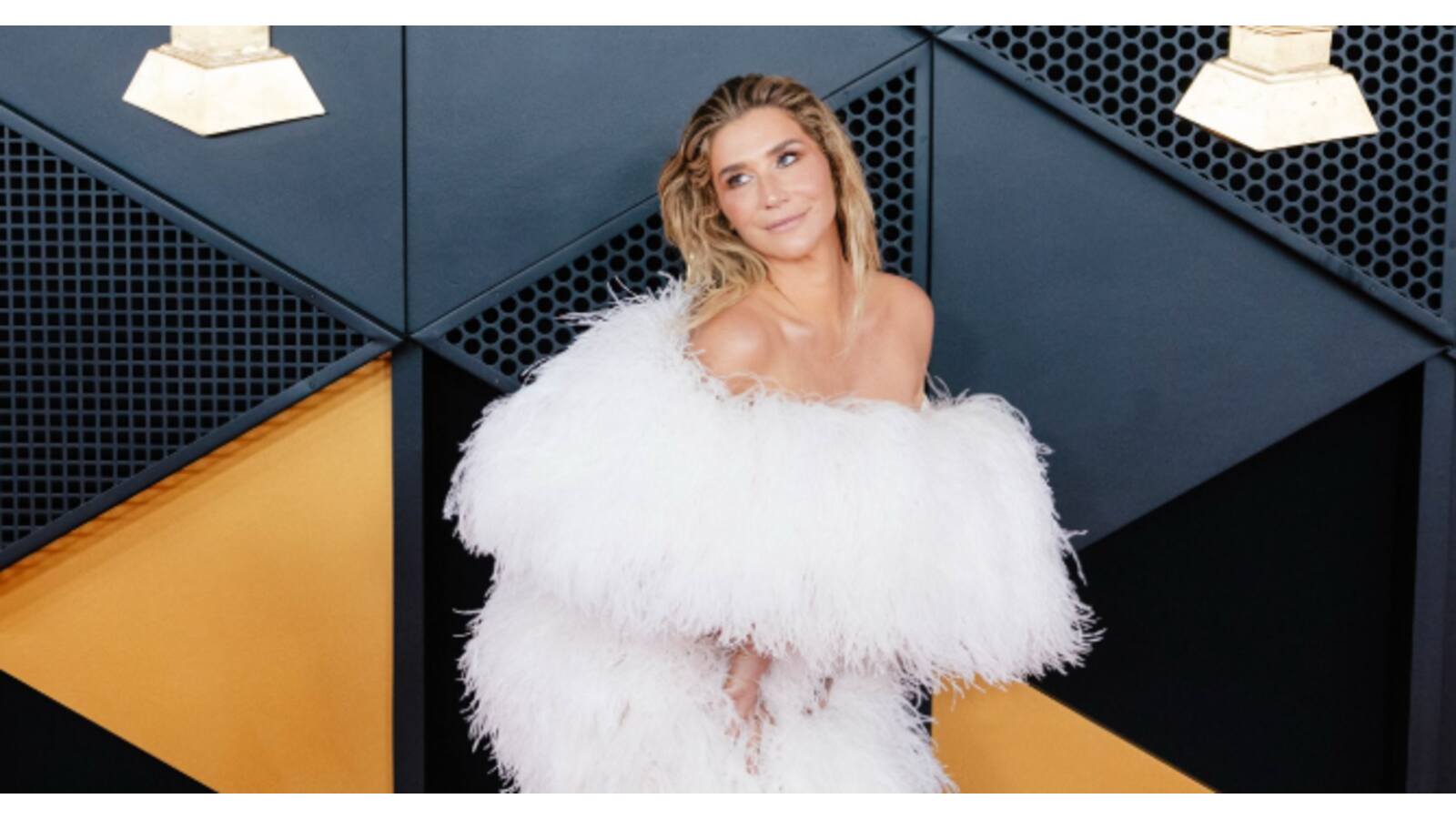
Kesha Blasts Donald Trump After White House Uses Her Hit Song in Pro War Video
Last Updated on March 3, 2026 by Bella
Pop star Kesha is in the headlines again after publicly condemning President Donald Trump and the White House for using her song Blow in a controversial TikTok video tied to war imagery. Her strong reaction has set off a broader cultural conversation about how political campaigns use pop music in social media content. In a social media post that lit up the internet, Kesha expressed anger, disbelief, and outright rejection of the use of her music to promote anything resembling violence.
In her message, she didn’t hold back — calling out the administration by name and reminding her fans and followers who she is and what she stands for. As this story unfolds, it’s drawing attention from music fans and political watchers alike.
Read on to see why Kesha is calling out the White House, how other top artists are fighting back, and what this means for the future of music and politics.
Kesha’s Message to the White House
Singer and songwriter Kesha, who rose to fame with huge pop hits and is now 39 years old, took to Instagram Story on Monday, March 2, to share her reaction. She did not mince words in addressing the White House’s actions.
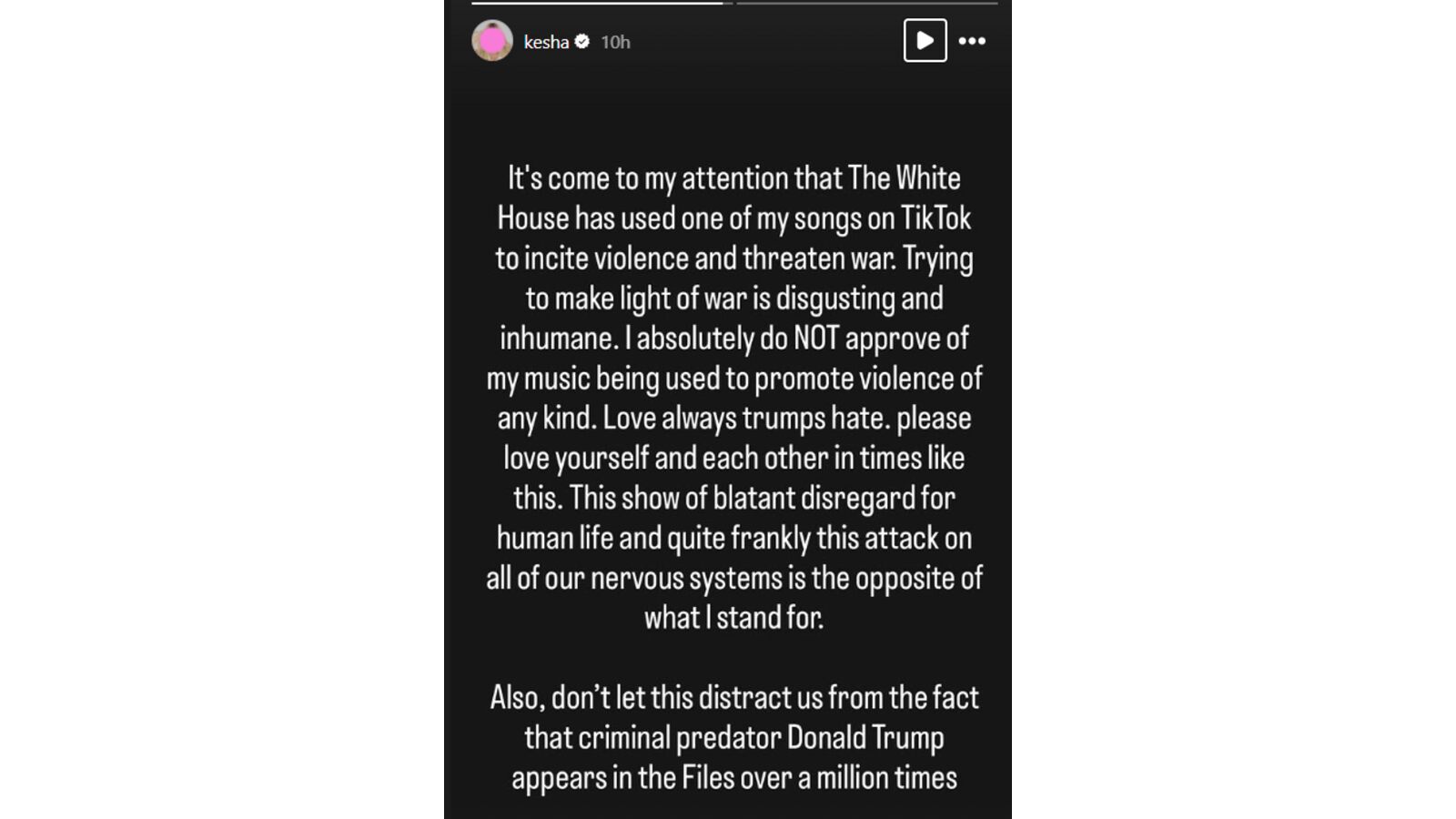
“It’s come to my attention that The White House has used one of my songs on TikTok to incite violence and threaten war [prior to the Iran conflict],” she wrote. The post made it clear that she was upset not only with the use of the song but also with the context in which it was placed.
The video in question featured footage of fighter jets and explosive military images — all set to Kesha’s 2011 hit Blow. To many viewers, the juxtaposition felt jarring and inappropriate.
Why Kesha Felt Compelled to Speak Out
In her Instagram Story, Kesha didn’t just voice frustration. She made an ethical point about how music should and should not be used.
“Trying to make light of war is disgusting and inhumane. I absolutely do NOT approve of my music being used to promote violence of any kind.”
She also included a message of unity and goodwill. The pop star reminded her fans about the importance of love and self-care in difficult times.
“Love always trumps hate. Please love yourself and each other in times like this.”
To Kesha, the use of her song in a militarized context was a violation of both her intent as an artist and her moral stance on how art should engage with the world.
A Sharp Critique of Trump and a Connection to Epstein Files
Kesha didn’t stop at condemning the video. Toward the end of her post, she took a hard left and referenced former President Donald Trump’s connections in the Jeffrey Epstein case.
“Don’t let this distract us from the fact that criminal predator Donald Trump appears in the Files over a million times,” she wrote.
That line brought fresh attention back to documents and photos tied to Epstein’s estate that have circulated in the press over the last year. Trump has been pictured in some of these files and mentioned repeatedly in media reporting, which has sparked political debate and controversy across the political spectrum.
White House Responds With Mocking Tone
Following Kesha’s rebuke, the White House communications team fired back on social media. Steven Cheung, director of communications, shared a response via Twitter that seemed to downplay her criticism.
“All these ‘singers’ keep falling for this. This just gives us more attention and more view counts to our videos because people want to see what they’re bitching about. Thank you for your attention to this matter.”
Another official, Kaelan Dorr, deputy communications director, added a comment that appeared to mock the outrage.
“Kesha quotes are like Popeye’s Spinach to this team. Memes? They’ll continue. Winning? Will also continue.”
This type of response highlighted the deep cultural divide in how public figures and political teams talk about art and political messaging.
The Viral Video That Sparked Outrage
The TikTok video that prompted Kesha’s response combined footage of fighter jets, explosions, and military hardware with her song Blow. The lyrics used in the video included:
“Tonight, we’re taking names ’Cause we don’t mess around This place about to blow.”
@whitehouse Lethality 🔥🦅
♬ original sound – The White House
For many fans and critics, that combination felt like a glorification of violence rather than a neutral or artistic use of the track. While the administration may have intended to create attention‑grabbing content, it instead triggered a backlash from musicians and fans concerned about the ethics of political use of art.
Other Artists Who Have Clashed With the Trump White House
Kesha is not the first artist in recent months to confront the White House or government agencies about unauthorized use of her music.
In late 2025, pop singer Sabrina Carpenter condemned the administration’s use of her song Juno in a video promoting deportation actions by Immigration and Customs Enforcement (ICE). Carpenter called that video “evil and disgusting” and made it clear she did not want her music used to support what she views as harmful policies.
Similarly, Olivia Rodrigo directly responded to a social post that featured her song All American Bitch. Rodrigo wrote in response:
“Don’t ever use my songs to promote your racist, hateful propaganda.”
These comments reflected a growing frustration among artists whose songs have been repurposed in political or social media messaging without their consent.
Even legendary alternative rock band Radiohead entered the fray. When the Department of Homeland Security used the band’s track Let Down in a pro‑ICE video, they released a blunt response:
“We demand that the amateurs in control of the ICE social media account take it down,” and “It ain’t funny, this song means a lot to us and other people, and you don’t get to appropriate it without a fight.”
Accusations That Music Is Being Used to Spark Outrage
This recent wave of artist pushback comes against a backdrop of social media strategies that deliberately use pop culture to spark viral reactions.
In one controversial move in late 2025, the White House used a song by Taylor Swift in a men’s rights-themed social video created to celebrate supporters. Officials later admitted they knowingly used the track to provoke reactions from critics.
“We made this video because we knew fake news media brands would breathlessly amplify them,” one official told Us Weekly at the time. “Congrats, you got played.”
That admission showcased a social media strategy that embraces cultural conflict to generate engagement.
What This Means for Music, Politics, and Social Media
Kesha’s explosive response highlights a larger debate about who controls music once it’s released into the world. Artists increasingly feel they should have final say over whether their art is used in political messaging, especially when that messaging touches on war, violence, or other sensitive topics.
Fans and observers are now watching to see what the long-term effects will be on how political figures engage with art and how artists respond when their music is used without permission.
Summary:
- Kesha publicly condemns Donald Trump and the White House for using her song Blow in a pro-war TikTok video.
- She calls the use of her music to promote violence “disgusting and inhumane” and urges fans to “love yourself and each other in times like this.”
- Kesha references Trump’s connections in the Epstein Files, calling him a “criminal predator.”
- The White House responded on social media, mocking Kesha’s criticism and celebrating increased video engagement.
- Other artists, including Sabrina Carpenter, Olivia Rodrigo, and Radiohead, have similarly protested unauthorized use of their songs in political content.
- The story highlights growing tensions between musicians and political figures over the use of pop music in social media campaigns.
- Kesha’s stance adds to the broader discussion on artists’ rights and ethics in political messaging.
