
Doja Cat Opens Up About Online Hate and Why She Claps Back
Last Updated on April 7, 2026 by Bella
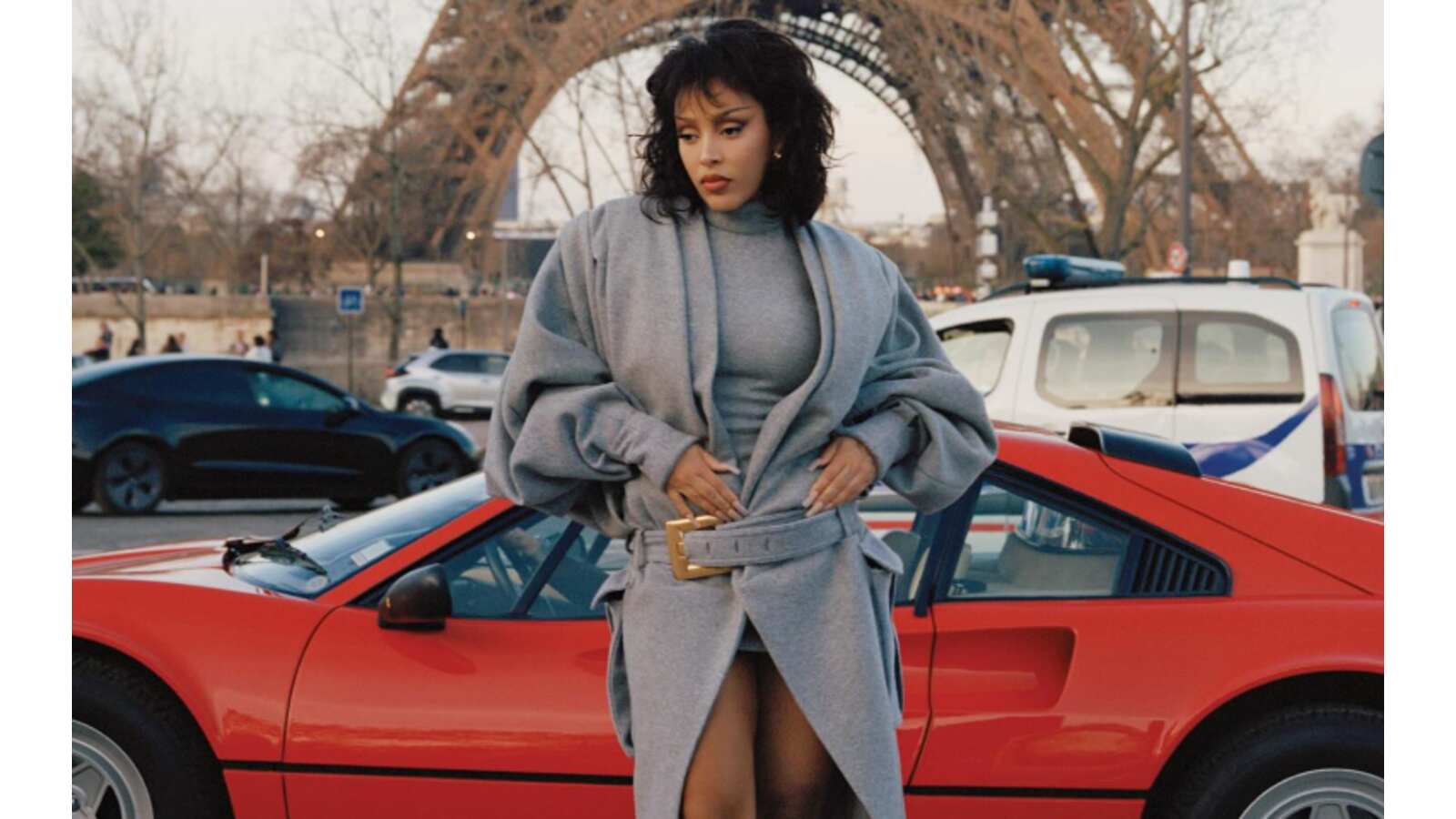
Doja Cat is never one to stay quiet, especially when it comes to criticism online. In her latest Vogue cover story, the chart-topping artist shared a more personal look into why she responds to negativity and how it connects to deeper insecurities.
Her honesty offers fans a clearer understanding of the emotional side behind her bold online presence.
Why Doja Cat Feels the Need to Respond
In her interview, Doja Cat made it clear that her reactions to online criticism are not random. They come from a place of feeling challenged, even when the situation may not actually be threatening.
“Well, that’s the question I’ve been waiting for. When I feel that I’m threatened, even though it may not be a threat at all, it rhymes with: You are failing.”
That sense of being judged pushes her to speak up. For Doja Cat, it is not just about defending herself as a person. It is also about protecting her art and the choices she makes creatively.
“I feel like I have to defend my creative choices, and then I give those people power even though they could be anybody — they could have Cheeto dust on their fingers and have no job.”
Her words highlight a common struggle many public figures face. Even when criticism comes from strangers, it can still feel deeply personal.
The Reality of Engaging With Online Hate
Doja Cat has built a reputation for being outspoken on platforms like TikTok and Twitch. She has addressed a wide range of controversies over the years, including accusations about her appearance, past behavior, and personal decisions.
Instead of ignoring the noise, she often confronts it directly. While that honesty resonates with fans, she admits it may not always be the healthiest approach.
When asked if she sees herself continuing this pattern in the future, she kept it real.
“I don’t know. In life, you grow. We’ll see where I am when I’m 50, if I’m still on Twitter doing stuff like that, who knows? Hopefully not.”
This shows that even she recognizes the need for growth and change over time.
The Habit of Seeking Out Criticism
One of the most revealing parts of her interview was her admission that she sometimes actively looks for negative comments. This behavior, she explained, is tied to how artists often view themselves.
“Artists in general can be quite critical of ourselves.”
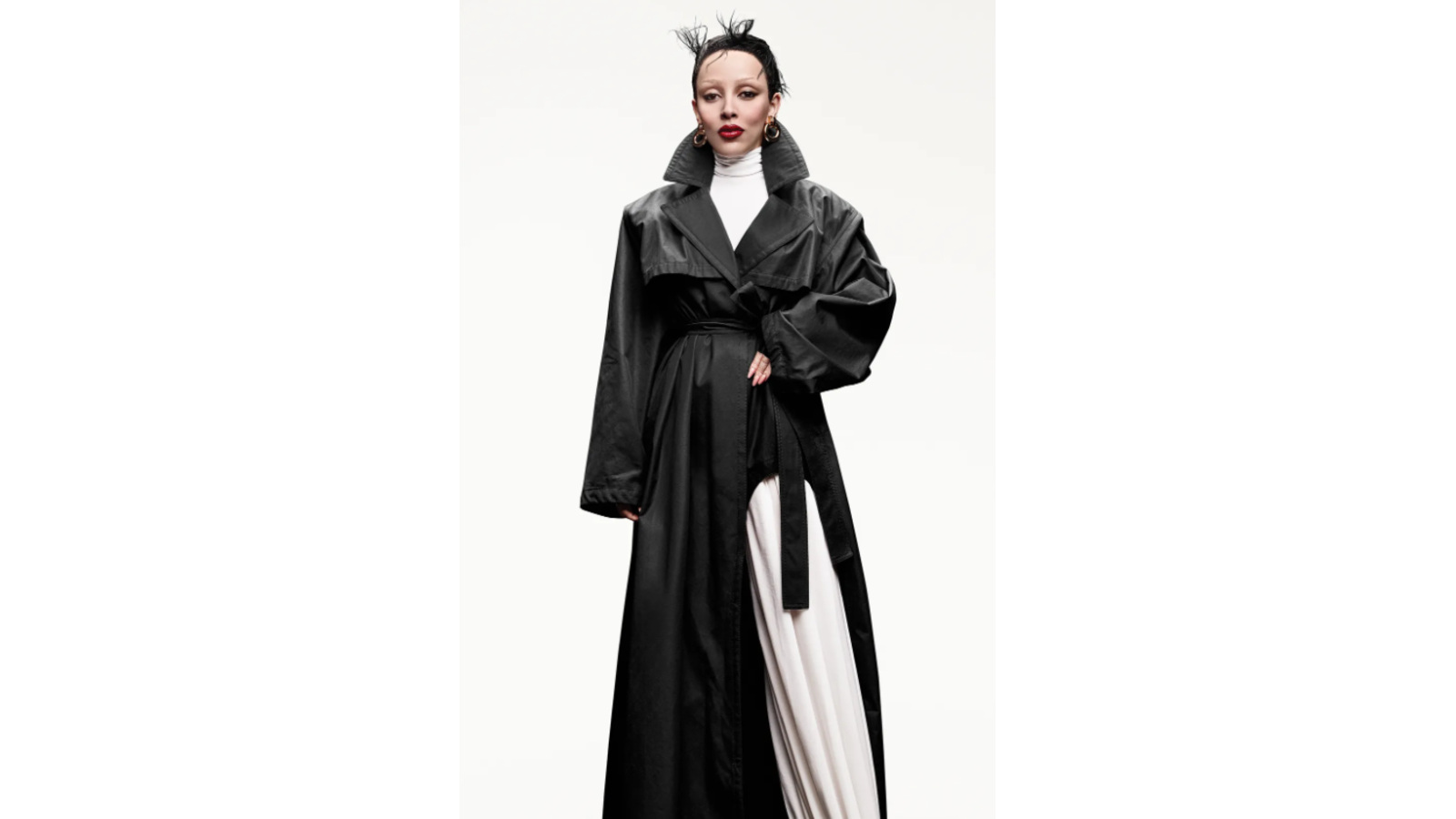
For Doja Cat, reading harsh comments can feel oddly validating, especially when they echo insecurities she already has.
“You feel you’re more in control in a sense. ‘I’ve got it all figured out. I can’t sing. I’ve got it all figured out. I am ugly. I got it all figured out. I got cankles.’”
This mindset creates a false sense of control. By confronting the criticism head-on, she can feel like she is taking ownership of it.
How Childhood Experiences Play a Role
Doja Cat did not shy away from explaining where these tendencies come from. She pointed to patterns developed early in life that still affect her today.
“It’s a useless way to spend your time. It doesn’t do anything for you other than entertain a part of you that was built during your childhood, a part of you that is stuck in the past.”
This insight adds a deeper layer to her story. It shows that her reactions are not just about fame or social media. They are connected to long-standing emotional habits that many people can relate to.
A More Personal Revelation About Mental Health
Beyond discussing online criticism, Doja Cat also recently shared something even more personal with her fans. In a candid TikTok, she revealed that she has been diagnosed with borderline personality disorder, also known as BPD.
She spoke openly about how she has spent years masking her true feelings.
“I’ve learned from a very young age to pretend that I like stuff, to pretend that I’m happy, to pretend that I don’t like stuff that I do, to appear like everything is okay.”
That constant need to perform emotionally eventually took a toll.
“I’ll get it done. And it caught up with me, and I think it always does for people. I’m now struggling with BPD.”
@dojacat :/
♬ original sound – Doja Cat
Her willingness to share this diagnosis adds important context to her behavior and emotional responses. It also helps reduce stigma by showing that even successful artists face mental health challenges.
The Bigger Picture Behind Her Words
Doja Cat’s story is about more than celebrity drama or online feuds. It reflects a larger conversation about how people deal with criticism in the digital age. Social media has made it easier than ever to share opinions, but it has also made it harder to escape them.
Her honesty shows that even those who appear confident and outspoken can struggle internally. It also serves as a reminder that responding to negativity often has deeper roots than it may seem on the surface.
As she continues to evolve both personally and professionally, fans are watching closely. Whether she continues to clap back or chooses a different path, one thing is clear. Doja Cat is committed to being real about her journey, even when it is uncomfortable.
TL;DR
- Doja Cat opened up about why she responds to online hate in her Vogue cover story
- She says criticism can feel like a personal threat, even when it may not be
- She feels the need to defend her creative choices, even if it gives critics power
- The singer admits she sometimes seeks out negative comments online
- She says reading criticism can feel validating due to personal insecurities
- Doja Cat connects this habit to patterns formed during childhood
- She acknowledges that engaging with hate is not a healthy use of time
- The artist hopes she may grow out of reacting to negativity in the future
- She recently revealed she has been diagnosed with borderline personality disorder
- Her honesty highlights the emotional struggles behind her public persona
